
Why Colored Lab Grown Diamonds Are the Big 2026 Trend - And What It Means for Retailers
If white lab-grown diamond pricing has felt like a race to the bottom lately, you’re reading the market correctly — and you’re not alone in looking for a way out of that squeeze. The industry’s answer in 2026 has a name: fancy color.
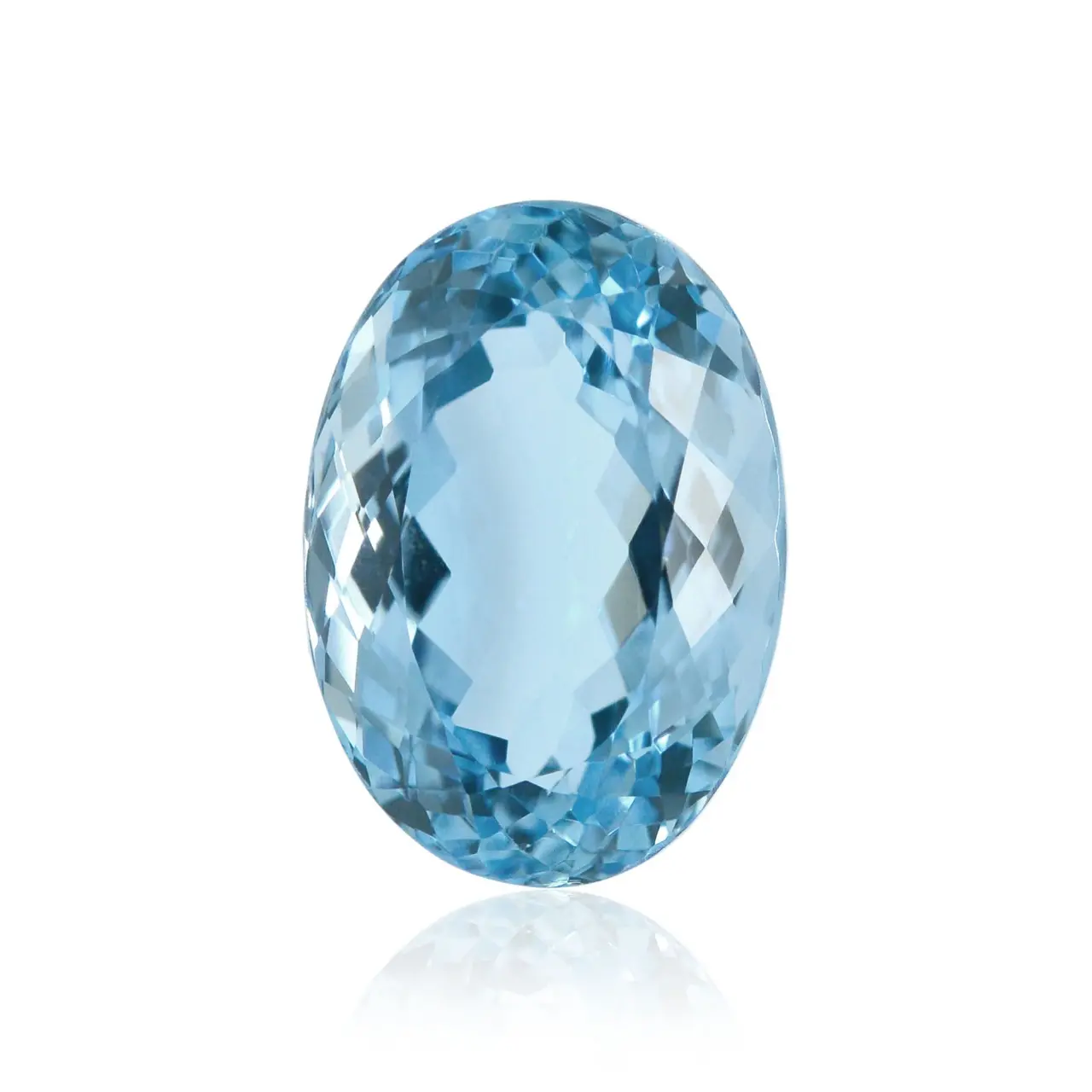
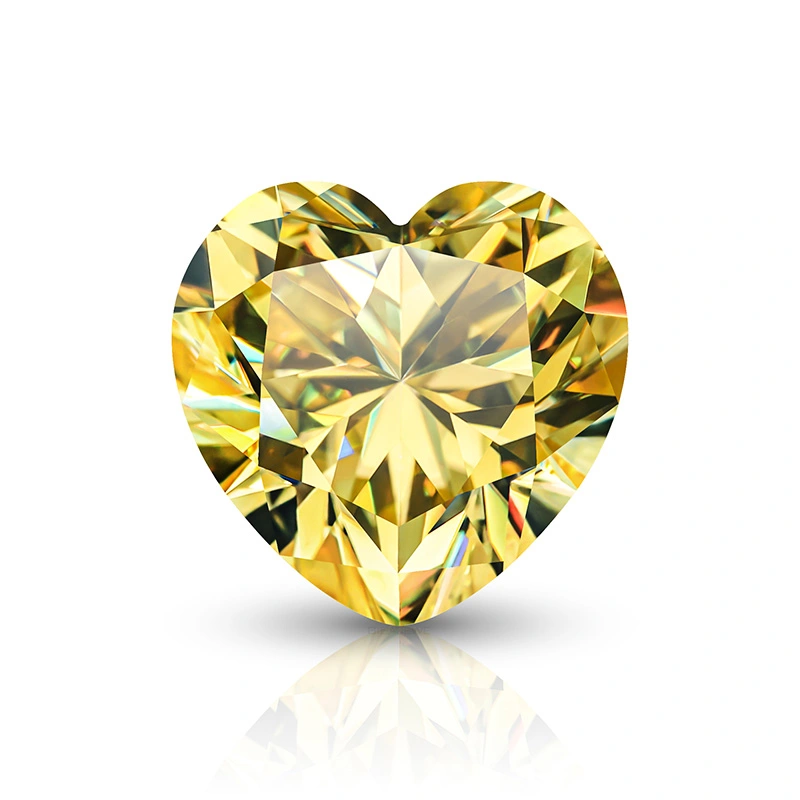
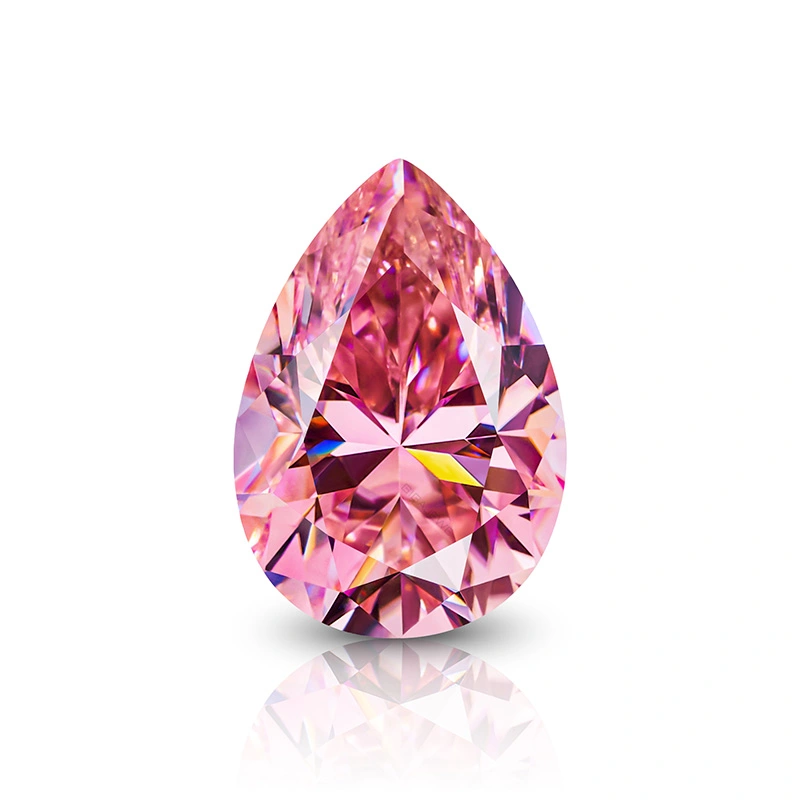
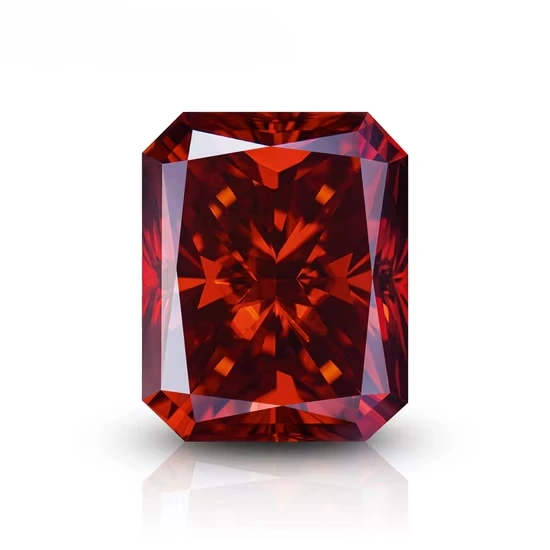
The Real Reason Colored Lab Grown Diamonds Are Having a Moment
White lab-grown diamonds have become commoditized fast. Years of oversupply and continuous price drops have compressed margins on colorless stock to the point where dealers relying exclusively on white inventory are increasingly competing on razor-thin pricing alone. Fancy color hasn’t been through the same commoditization cycle — production and grading standardization have improved dramatically, but supply hasn’t been flooded to the same degree as white stock, which means margins here are meaningfully healthier.
Market projections back this up: colored lab-grown diamonds are forecast to grow at a 13.67% CAGR, outpacing the growth rate of the colorless segment. This isn’t a fashion fad — it’s a structural response to margin pressure across the industry.
Not All Colors Are Growing the Same Way
If you’re thinking about adding fancy color to your range, treat it as a tiered decision rather than a single category. Warm-toned colors — pink and yellow — are seeing the strongest, steadiest demand and the highest turnover, making them the lower-risk entry point for retailers testing fancy color for the first time. Cooler, rarer hues — blue and green — are growing too, but from a smaller base, and function more as a high-end draw for a specific client than a volume category.
A practical inventory approach that’s emerging industry-wide: channel the bulk of fancy color stock toward high-turnover yellow and pink, and hold a smaller, curated share of blue and green specifically to attract higher-end clients rather than to move volume. This mirrors exactly how we’ve structured our own Fancy Color inventory — Yellow and Pink as our deepest stock categories, Blue and Green offered on a more limited, inquiry-first basis.
The Education Gap Is a Real Risk - and a Real Opportunity
One genuine caution worth flagging: colored lab-grown diamonds still face a public awareness gap compared to white diamonds. Many end consumers don’t yet understand fancy color grading, why a smaller Vivid-intensity stone can cost more than a larger Light-intensity one, or the difference between a natural-color stone and a treated one. Retailers who invest in educating their own customers on these basics — rather than assuming buyers already understand fancy color the way they understand the 4Cs — are positioned to convert that awareness gap into a genuine sales advantage instead of a friction point.
This is exactly why we built out full grading explainers on our own Fancy Color pages — not just for our own SEO, but because a retailer sourcing from us should be equipped to have that same conversation with their own customer.
A Second Risk Worth Planning For: Inventory Complexity
Diversifying into multiple color categories genuinely does increase inventory management complexity compared to a single white diamond line — more variants, more risk of overstock in a slower-moving color, more SKUs to track. This is a real tradeoff, not just an upside story. The tiered approach above (deep stock in high-turnover colors, curated stock in rarer ones) is specifically how the industry is managing that risk rather than avoiding fancy color altogether.
What This Means for Your Next Order
If you’re currently white-diamond-only, 2026 is a reasonable moment to test fancy color — starting with yellow or pink given their stronger turnover, rather than committing deep inventory to blue or green out of the gate. If you already carry some fancy color, this is a good moment to revisit whether your mix matches where actual demand is moving, rather than assuming last year’s allocation still fits.
Browse our full Fancy Color range — Yellow, Pink, Blue, and Green, each with grading detail and stocking guidance — or register for trade access to discuss the right entry mix for your business.