
4Cs of Diamond: Complete Guide to Cut, Color, Clarity & Carat
Understanding the 4Cs of diamond is the foundation of accurate diamond evaluation. Whether you are a diamond trader, wholesaler, retailer, student, or professional buyer, the 4Cs – Cut, Color, Clarity, and Carat – define a diamond’s quality, value, and market performance.
This guide explains the 4Cs of diamond in a clear, practical, and sourcing-focused way, helping you assess loose diamonds with confidence before inquiry or procurement.
What is the 4Cs of Diamond?
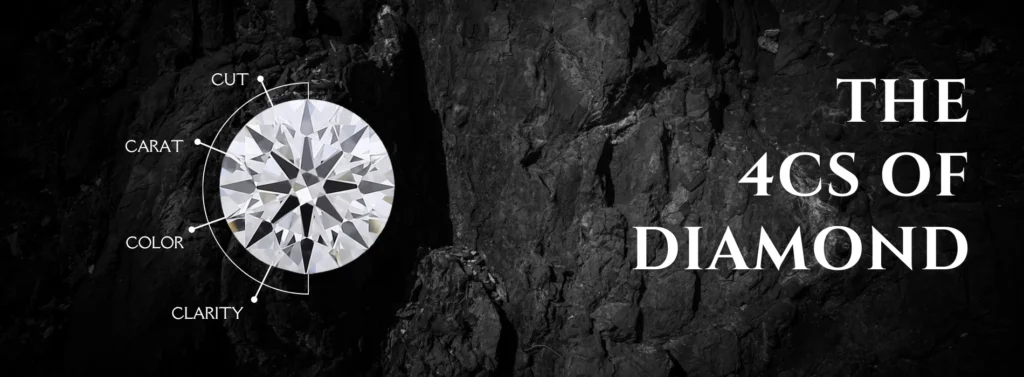
The 4Cs of diamond are the global grading standards used to evaluate diamonds consistently across markets. Developed and standardized by leading gemological institutions such as GIA and IGI, the 4Cs allow buyers and sellers to communicate diamond quality transparently.
The four factors are:
Cut – How well the diamond is proportioned and finished
Color – The degree of colorlessness
Clarity – Internal and external characteristics
Carat – The diamond’s weight
Each C plays a unique role, but not all Cs carry equal importance in real-world diamond sourcing.
Cut: The Most Important of the 4Cs of Diamond
Among the 4Cs of diamond, cut has the greatest impact on beauty and performance. Cut determines how effectively a diamond reflects and refracts light, influencing brilliance, fire, and scintillation.
Diamond Cut Grades
- Excellent / Ideal – Maximum light performance
- Very Good – Strong brilliance with minor compromises
- Good / Fair – Noticeable loss of sparkle
For professional sourcing, Excellent and Ideal cut diamonds are preferred because they:
- Perform consistently under different lighting
- Appear brighter regardless of carat weight
- Reduce rejection rates in trade transactions
Important: Cut is not shape. A diamond can be round, oval, or cushion shaped and still be poorly cut. Learn more in our diamond certification guide.
Color: Understanding Diamond Color Grading
Color is a critical component of the 4Cs of diamond and is graded on the GIA D-to-Z scale, where D represents the most colorless diamonds.
Diamond Color Categories
- D-F (Colorless): Premium, high-value stones
- G-J (Near Colorless): Best balance of quality and price
- K-Z: Increasing visible yellow or brown tint
In wholesale and professional markets, G to J color diamonds are the most commercially viable because they:
- Face up white in most conditions
- Offer better availability
- Maintain strong resale demand
Color must always be assessed in combination with cut, as a well-cut diamond can mask minor color.
Clarity: Evaluating Inclusions and Blemishes
Clarity refers to the presence of internal inclusions and external blemishes, making it one of the most misunderstood 4Cs of diamond.
Diamond Clarity Scale
- FL / IF: Flawless or Internally Flawless
- VVS1-VVS2: Very Very Slightly Included
- VS1-VS2: Very Slightly Included
- SI / I: Slightly Included to Included
From a trade perspective, VS and VVS clarity grades are ideal because they:
- Appear clean to the naked eye
- Balance quality and cost efficiency
- Are easier to move across markets
Higher clarity does not always mean better value. Eye-clean diamonds often outperform technically perfect stones in commercial sourcing.
Carat: Weight vs Visual Size
Carat is the most visible but often misunderstood of the 4Cs. It refers to weight, not physical size.
Key Carat Insights
- 1 carat = 0.20 grams
- Larger carat diamonds increase exponentially in price
- Two diamonds of equal carat can appear different in size due to cut
Professional buyers evaluate carat alongside cut proportions. Poorly cut diamonds may retain weight but sacrifice brilliance, reducing overall desirability.
Why Certification Matters When Evaluating the 4Cs of Diamond
To accurately assess the 4Cs of diamond, independent certification is essential.
Trusted grading laboratories include:
A valid grading report ensures:
- Consistent application of the 4Cs
- Transparency in diamond inquiry
- Confidence in international trade
Always review certificates alongside physical evaluation.
Natural vs Lab Grown Diamonds and the 4Cs
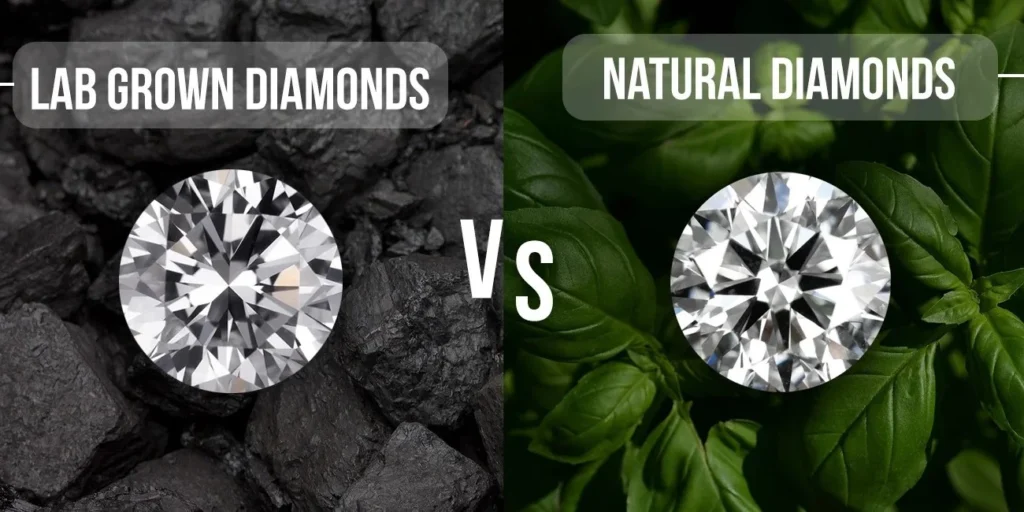
The 4Cs apply equally to natural and lab grown diamonds. The grading criteria remain the same, although pricing and availability differ.
From an evaluation standpoint:
- Cut quality remains the top priority
- Certification is non-negotiable
- Performance matters more than origin for many applications
Explore our detailed lab grown diamonds guide for differences and sourcing insights.
Final Thoughts: Mastering the 4Cs of Diamond
A deep understanding of the 4Cs diamond empowers better sourcing decisions, reduces risk, and improves long-term profitability. Rather than focusing on a single factor, successful diamond evaluation comes from balancing all four Cs together.
Whether you are making an inquiry, building inventory, or expanding knowledge, the 4Cs remain the universal language of diamonds.